
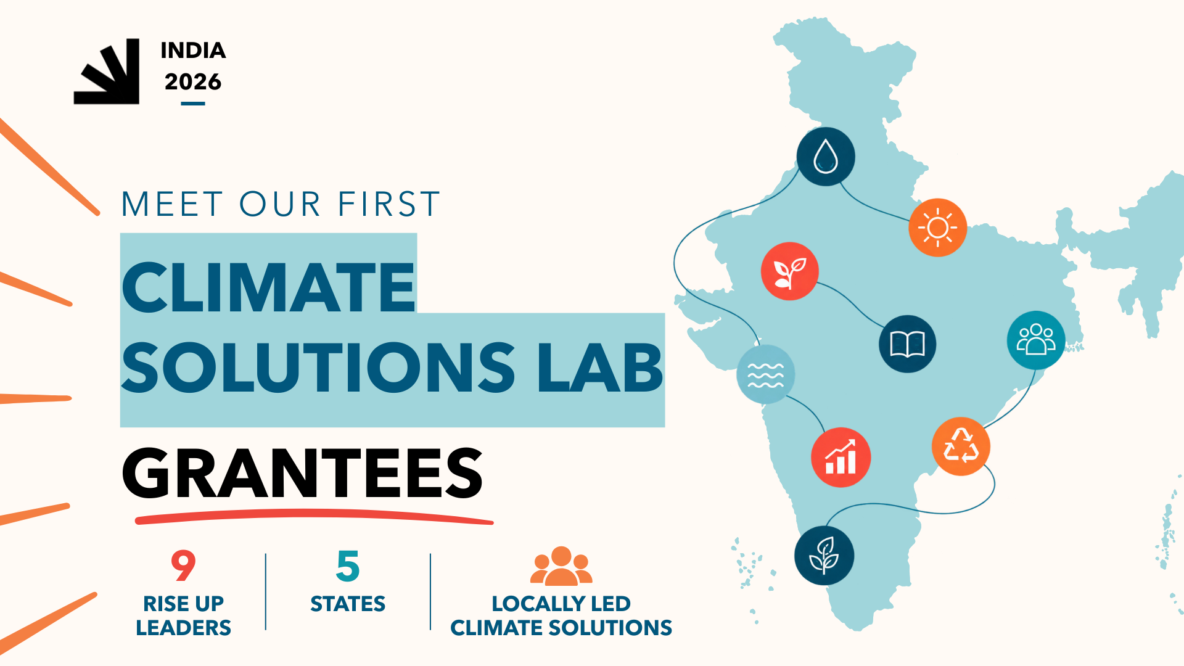
Earlier this year, Rise Up Together, in partnership with the Cummins India Foundation, launched the Climate Solutions Lab – a new funding opportunity for Rise Up alumni across India to develop locally led solutions at the intersection of climate and gender equity.
The response reflected the depth of ideas and experience already within our alumni network: Rise Up Leaders submitted 60 proposals addressing climate challenges affecting communities across India. From those proposals, nine projects were selected to receive funding and technical support through the Climate Solutions Lab.
The selected projects take on challenges that are both urgent and deeply connected to people’s everyday lives. Across Maharashtra, Jharkhand, Haryana, Rajasthan, and Uttar Pradesh, Rise Up Leaders will work to strengthen protections for workers facing extreme heat, expand women farmers’ access to land and natural resources, bring girls into local climate and water decision-making, and more.
Together, the nine projects demonstrate the range of ways climate change intersects with gender and inequality – and the power of locally led solutions designed by people who deeply understand their communities and the systems they are working to strengthen.
Explore the Selected Projects
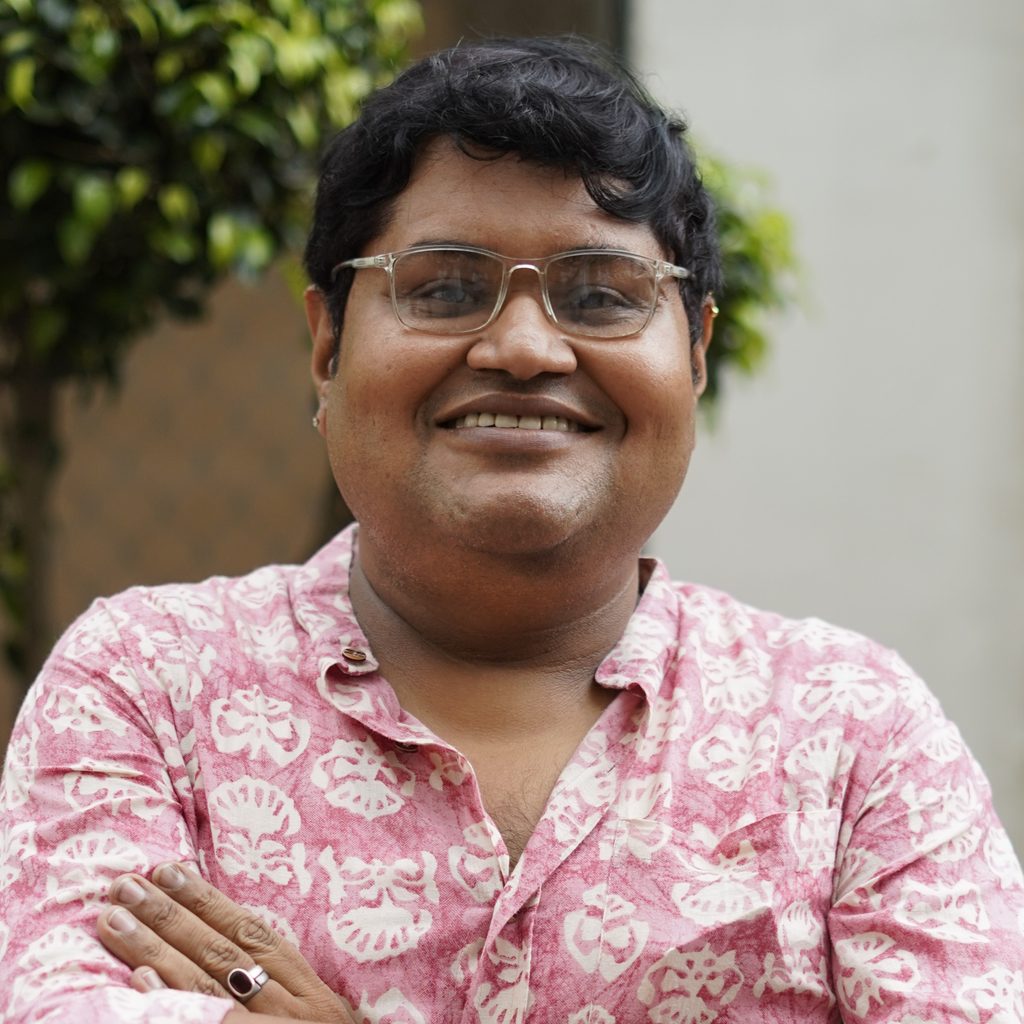
Inclusive Disaster Relief for Jharkhand’s Transgender Community
Souvik Saha | Jharkhand
Floods, heatwaves, and unpredictable rainfall are increasingly affecting communities across Jharkhand, yet transgender people remain largely unrecognized in the state’s disaster preparedness and response systems. Souvik’s project aims to change that by bringing transgender leaders and their lived experiences into disaster planning. The project will work toward statewide measures that strengthen access to safe shelters, emergency food and health care, evacuation support, and post-disaster assistance for transgender people – with the potential to improve disaster response for nearly 15,000 transgender people across Jharkhand.
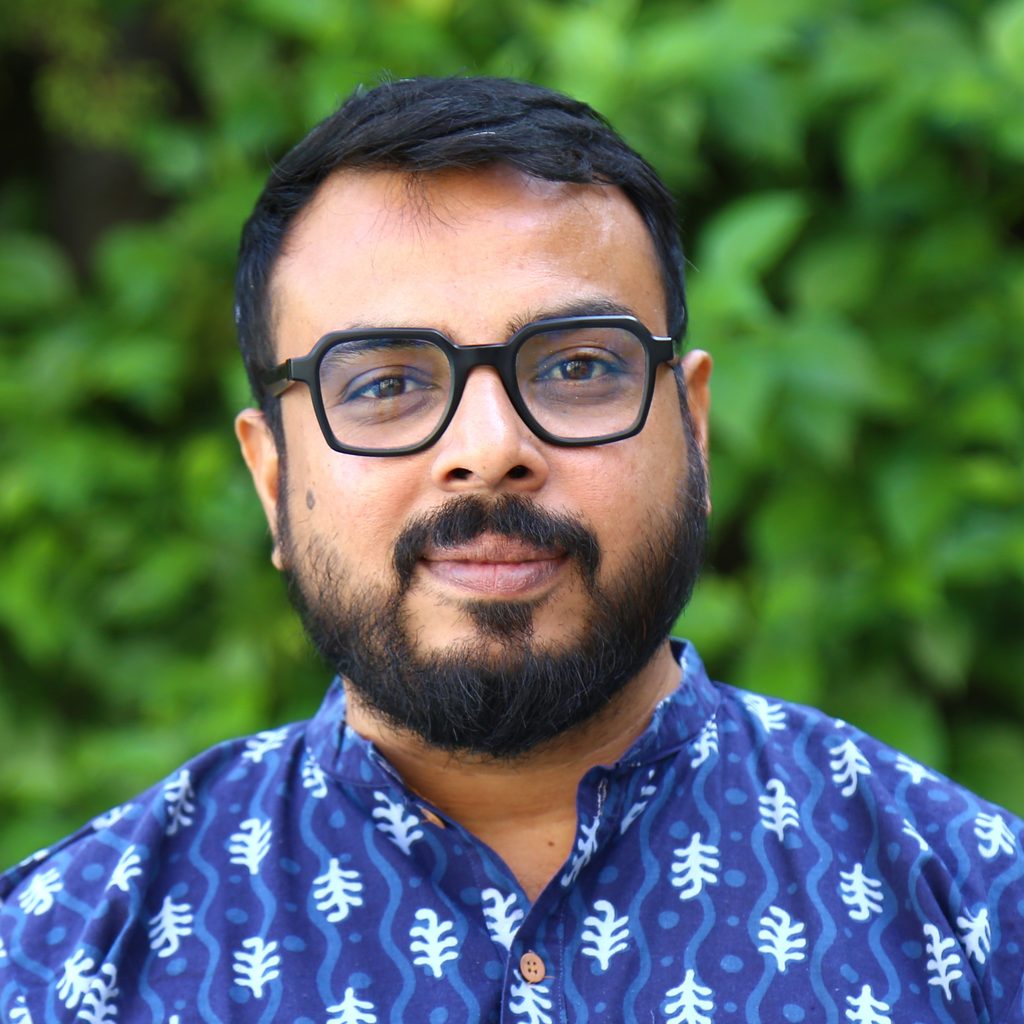
Girls Climate Parliament: Anjani River Basin Governance Initiative
Dheeraj Sharma | Maharashtra
In villages along Maharashtra’s Anjani River Basin, water scarcity, irregular rainfall, and agricultural uncertainty are reshaping daily life – and often increasing girls’ responsibilities for collecting water, household care, and agricultural work. Yet girls rarely have opportunities to contribute to the decisions being made in response. Building on a successful pilot, Dheeraj’s project will engage 200 adolescent girls to document local climate and water challenges, develop solutions, and bring their recommendations to local decision-makers. The project ultimately seeks to establish a model for integrating girls’ perspectives into local climate and water planning that could be expanded across the Jalgaon district.

Strengthening Occupational Heat Resilience for Sanitation Workers in Jodhpur
Payal Sharma | Rajasthan
When summer temperatures in Jodhpur climb above 113°F, sanitation workers still have to work outdoors – often without consistent access to shade, water, rest breaks, cooling infrastructure, or occupational health services. Payal’s project will work with sanitation workers and city institutions to develop and test stronger protections across 37 wards. The goal is to incorporate the specific needs of the city’s approximately 3,500-4,000 sanitation workers, more than half of whom are women, into Jodhpur’s approach to extreme heat – creating a citywide model for safer working conditions as temperatures rise.
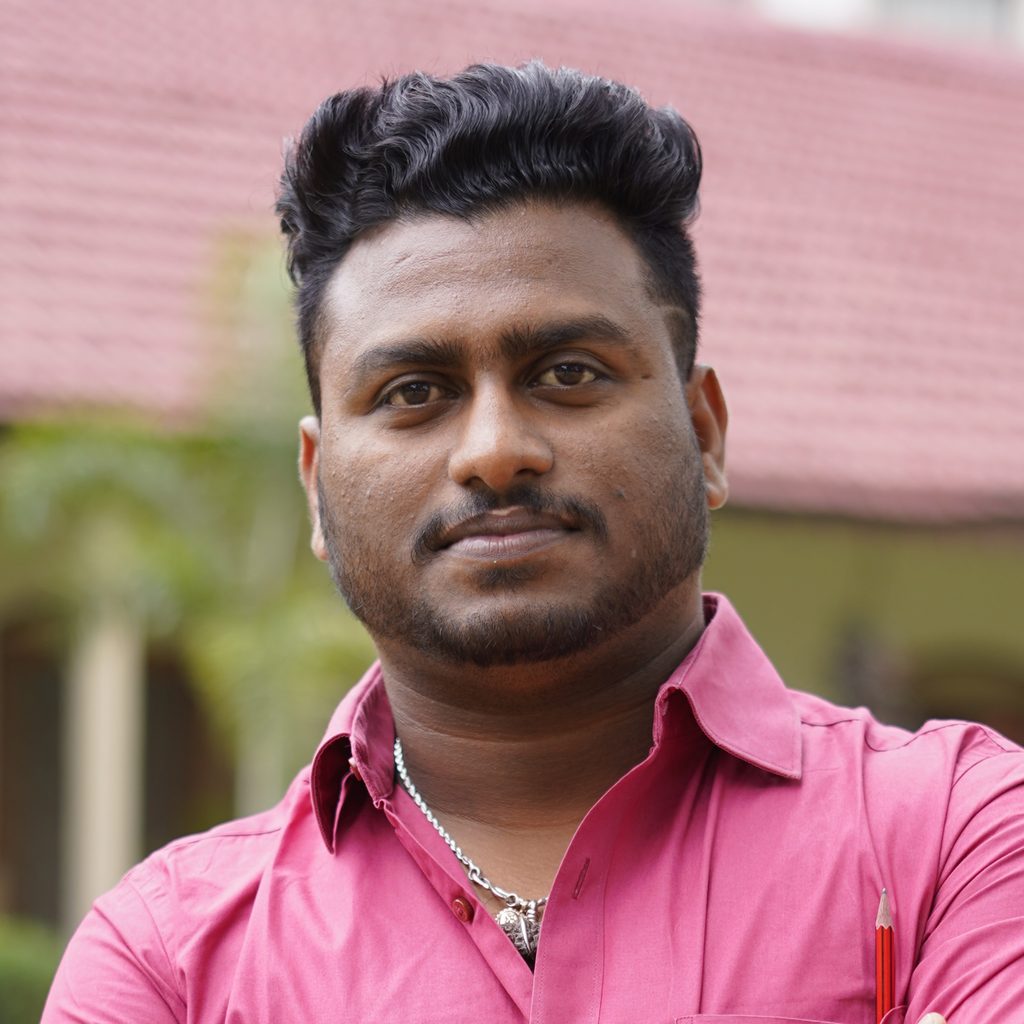
“Harit Vidyalaya, Surakshit Bhavishya” (Green Schools, Secure Future)
Kundan Pramanik | Jharkhand
Heatwaves, floods, drought, and environmental degradation are already disrupting education in Jharkhand, with girls and children from tribal communities facing heightened risks. Yet climate education and preparedness are not consistently built into the state’s school system. Kundan’s project aims to change that by working with students, communities, and education officials to develop a statewide approach to ensure climate-friendly schools. The project seeks to establish regular climate learning and School Climate Action Committees across government-run and -aided schools – potentially strengthening climate knowledge and preparedness for millions of students across Jharkhand.
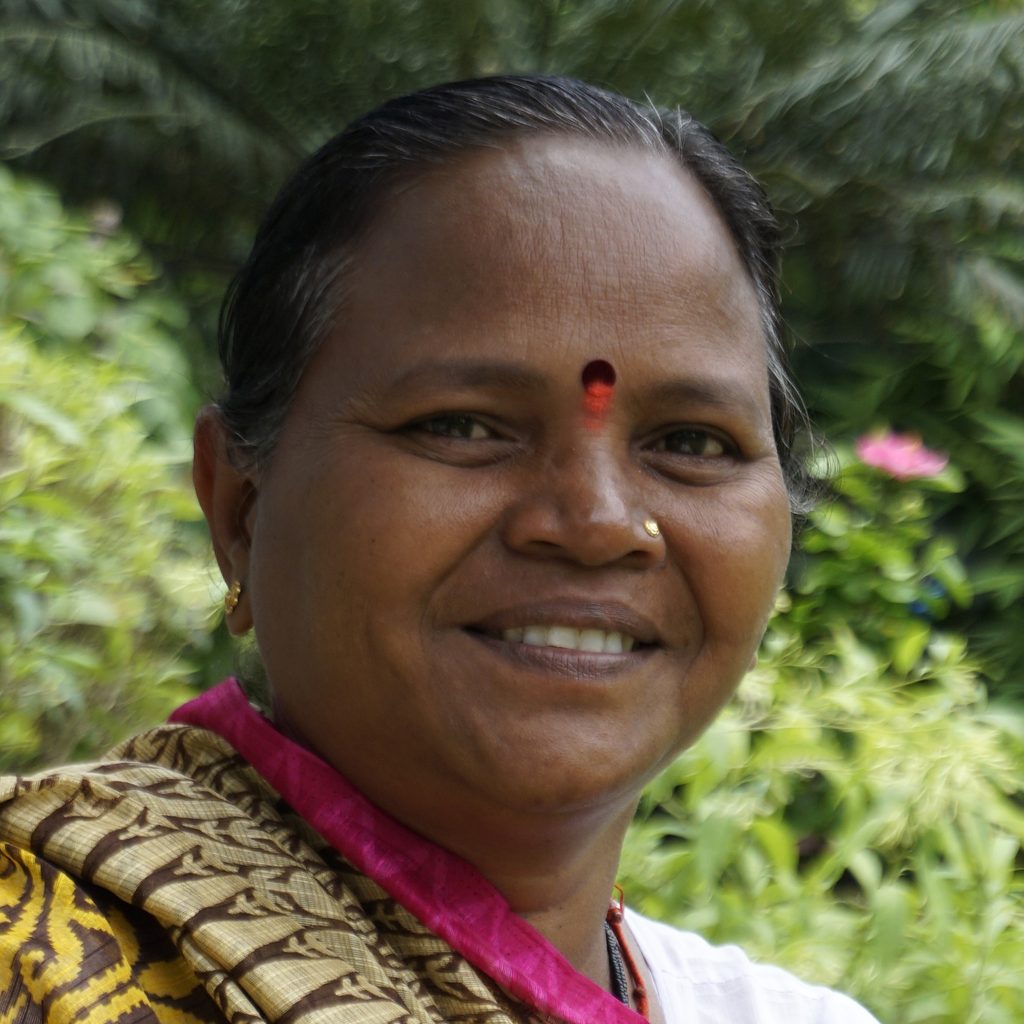
Her Land, Her Forest, Her Water: Advocacy for Women’s Land Rights
Kumaribai Samkatan | Maharashtra
Women are central to agriculture across rural Maharashtra, yet many are still not formally recognized as farmers – limiting their access to land records, credit, government programs, forest rights, and decisions about water. Kumaribai’s project will work with more than 500 women across five districts to build knowledge and leadership, document barriers women farmers face, and bring that evidence to decision-makers. At a pivotal moment for the recognition of women farmers in India, the project seeks to help ensure that new systems meaningfully connect women farmers with access to land, forest, and water resources.
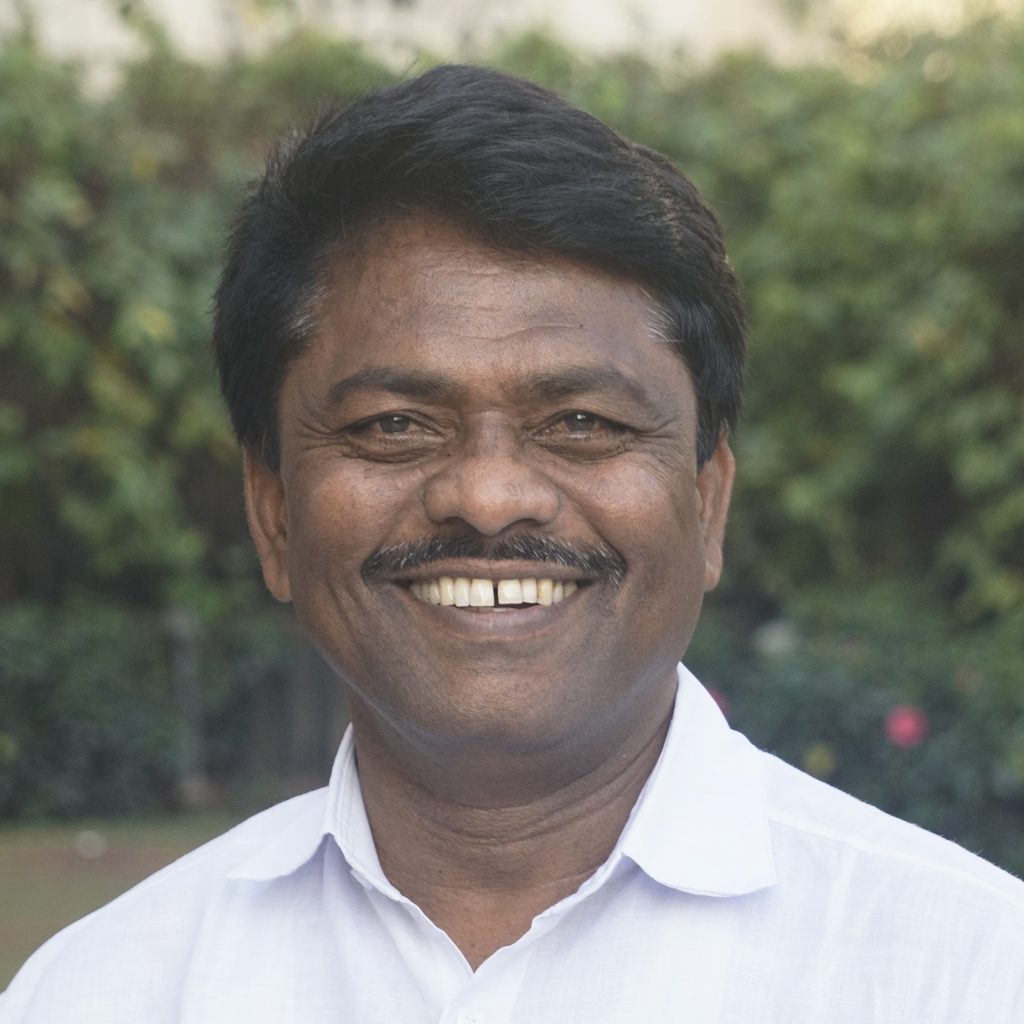
Climate Resilience and Safe Migration for Latur’s Migrant Workers
Balasaheb Suryawanshi | Maharashtra
Recurring drought, declining groundwater, and falling agricultural productivity are pushing thousands of workers in Latur to migrate seasonally in search of livelihoods. But without systems to track that migration, workers – particularly women and marginalized communities – can lose access to documentation, benefits, and other essential support. Balasaheb’s project will organize migrant workers, document their experiences, and work with local institutions to establish migration tracking within village planning. The project aims to create a stronger system for identifying and supporting an estimated 45,000 climate-affected migrant workers across the district.

HeatSafe Sites: A Gender-Responsive Heat Protocol for Construction Workers
Riya Thakur | Gautam Buddha Nagar, Uttar Pradesh
For women working on construction sites in Noida and Greater Noida, rising temperatures are more than a climate issue – they are a workplace health and safety issue. Long hours in extreme heat, combined with inadequate water, sanitation, shade, and rest facilities, can create serious risks, particularly during pregnancy. Riya’s project will work directly with women construction workers and government, health, labor, and industry stakeholders to develop practical protections for extreme heat. The goal is to establish a district-wide protocol that makes construction sites safer for women and creates a model that could be replicated elsewhere.
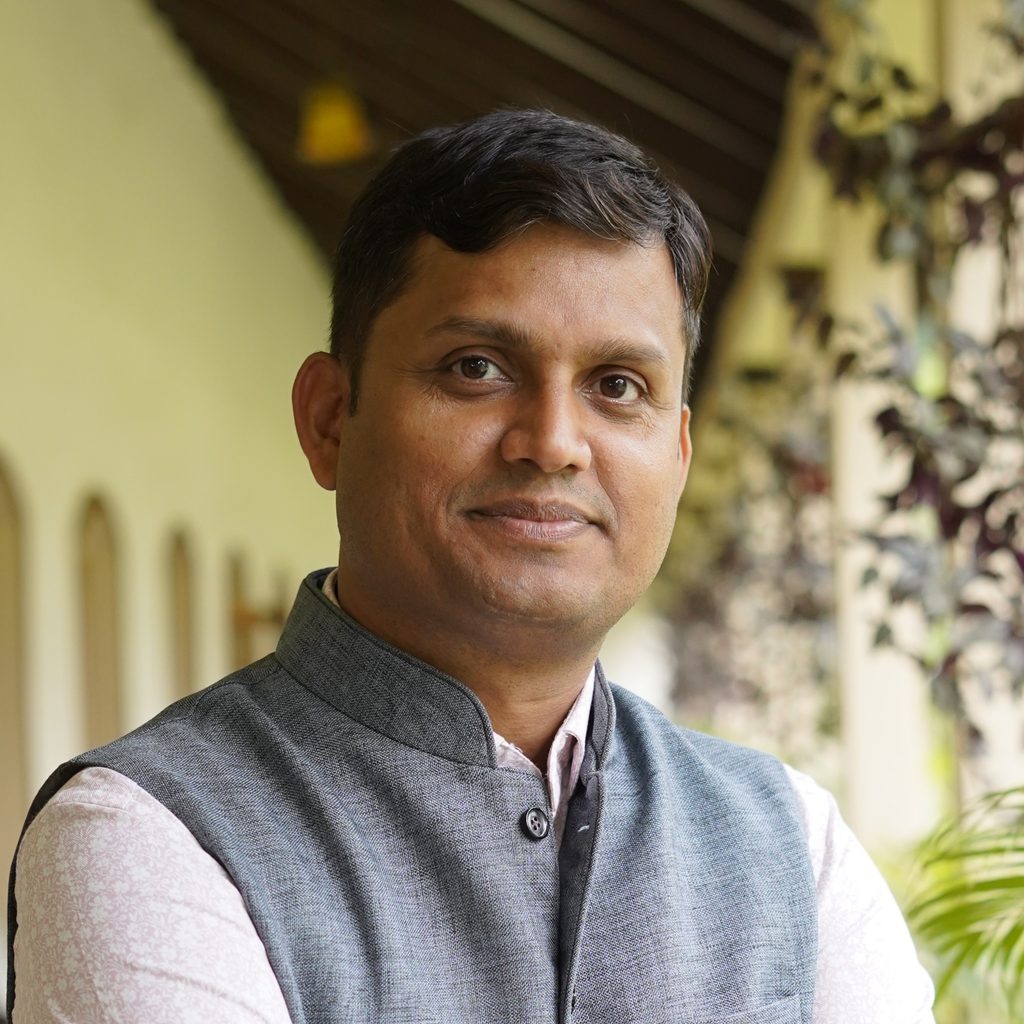
Jharkhand Panchayat Samriddhi: Panchayat-Led Climate Resilient Agriculture
Prem Shankar | Jharkhand
For Jharkhand’s small and marginal farmers, water insecurity and declining soil health threaten both agricultural productivity and livelihoods. Prem’s project looks to the local government as part of the solution. By documenting successful approaches and bringing together farmers, women’s collectives, community organizations, and government institutions, the project will work toward a statewide framework enabling Gram Panchayats – local governing bodies at the village level – to plan and manage water-harvesting structures and Bio-Input Resource Centers. If successful, the approach could embed climate-resilient agricultural practices and decentralized water and soil management into local planning systems across more than 4,300 Gram Panchayats throughout Jharkhand.

Waste Workers Welfare, Inclusion and Climate Resilience Initiative
Sudha Kumari | Haryana
Informal waste workers play a critical role in managing the waste generated by communities across Haryana, while often facing income insecurity, hazardous materials, injuries, infections, extreme heat, and limited access to workplace protections and social benefits. Women waste workers face additional barriers to having a voice in the decisions and systems that shape their work. Sudha’s project will bring waste workers together to document these challenges, strengthen women’s leadership, increase awareness of available protections, and engage local and state institutions. The goal is to strengthen implementation of existing protections and more fully include informal waste workers in Haryana’s municipal waste-management systems.
The Climate Solutions Lab comes at an important moment in Rise Up Together’s own work. Earlier this year, we formally added climate as a core pillar alongside education, health, and economic opportunity. Our recent Lessons at the Intersection of Climate and Gender report reinforced what Rise Up Leaders around the world have long demonstrated: effective climate solutions must reflect the experiences, priorities, and leadership of the communities most affected.
The Lab also creates a new opportunity to continue investing in Rise Up alumni as their leadership and work evolve. Across India, our network includes more than 150 Rise Up Leaders whose work has positively impacted more than 40 million people. These nine projects build on that experience while creating space for alumni to apply their leadership to some of the most urgent climate challenges facing their communities.
Over the coming months, the selected leaders will receive funding, technical assistance, and opportunities to learn and collaborate as they put their projects into action. We look forward to sharing what they learn, what changes as a result of their projects, and where their solutions lead next.

