
Every girl deserves the freedom to learn, to be safe, to be heard, and to choose her own future.
Yet around the world, an estimated one in five girls are married before age 18 (UNICEF). Child marriage can cut short a girl’s education, threaten her health and safety, and take away choices that should be hers to make.
Child marriage is a global crisis, but its impact is especially pronounced in regions where Rise Up Together works. According to UNICEF, approximately 44% of the world’s girls and women who were married before age 18 live in South Asia, while another 18% live in sub-Saharan Africa. In Latin America and the Caribbean, progress has been particularly troubling, with little to no meaningful reduction in child marriage over the past 25 years. Across these regions, millions of girls continue to face barriers to education, safety, and the freedom to shape their own futures.
This International Day of the Girl (October 11, 2026), the global community is calling for urgent action to end child marriage and invest in girls’ rights. Because a girl can only choose her future when her rights make that choice possible.
At Rise Up Together, we know that protecting those rights means addressing the many barriers that can limit a girl’s future. It means creating schools where girls can learn without fear of violence. Ensuring their health and safety are protected. Creating opportunities for girls to lead. And making sure girls themselves have a voice in the policies and decisions that affect their lives.
Around the world, Rise Up Leaders are working alongside girls and communities to turn those rights into lasting change. Here are just a few of their stories from our recently published 2025 Annual Report.
A future where girls can learn safely
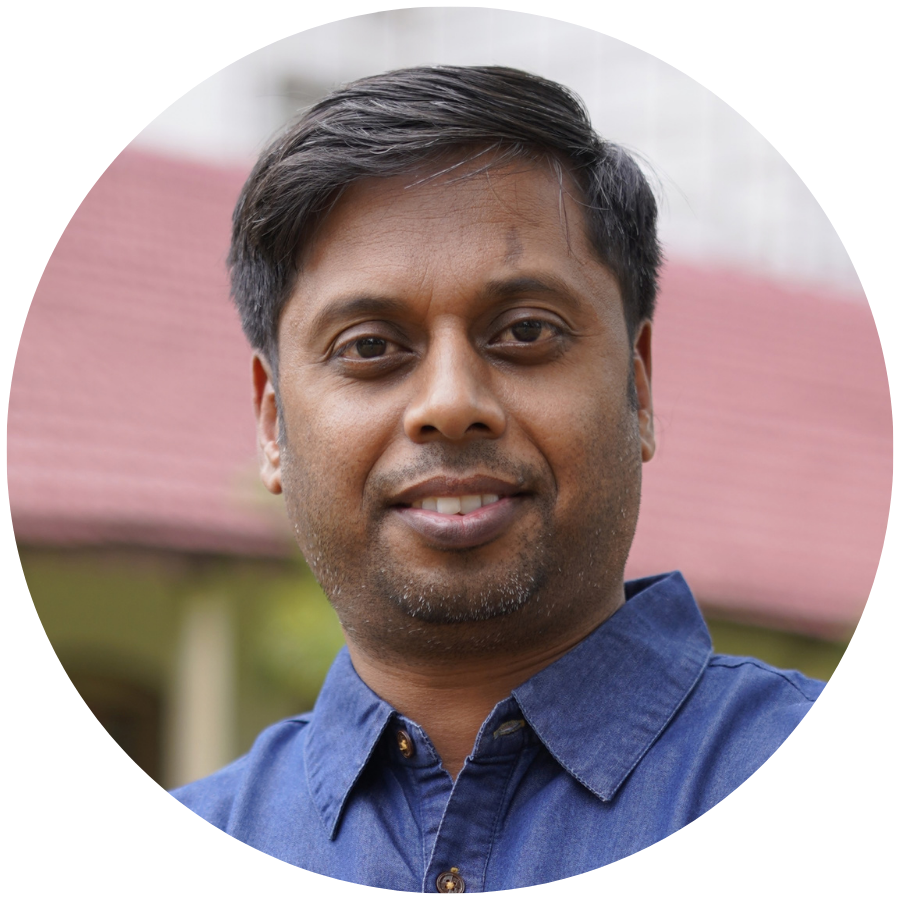
For Rise Up Leader Ajay Kumar, creating a future girls choose starts in schools.
Growing up in Jharkhand, India, Ajay and many of his classmates experienced violence from teachers and peers. What stayed with him was not only the violence, but the silence surrounding it: children had no trusted adult to turn to, no safe way to report what was happening, and no system designed to protect them.
Today, Ajay is working to change that.
With training and support from Rise Up Together, Ajay conducted research, engaged government officials and civil society partners, and helped build momentum for a comprehensive Child Protection Policy across Jharkhand’s schools. The state’s Department of School Education and Literacy has since taken an active role in developing the policy, which could establish stronger systems to prevent, report, and respond to violence for approximately 6 million children across 44,835 schools.
For girls in particular, safe schools can mean much more than protection from violence. They can mean staying in school longer, continuing an education, and having greater freedom to determine what comes next.
As Ajay puts it, “Education, when it is safe, becomes liberation.”
A future where girls can live free from violence
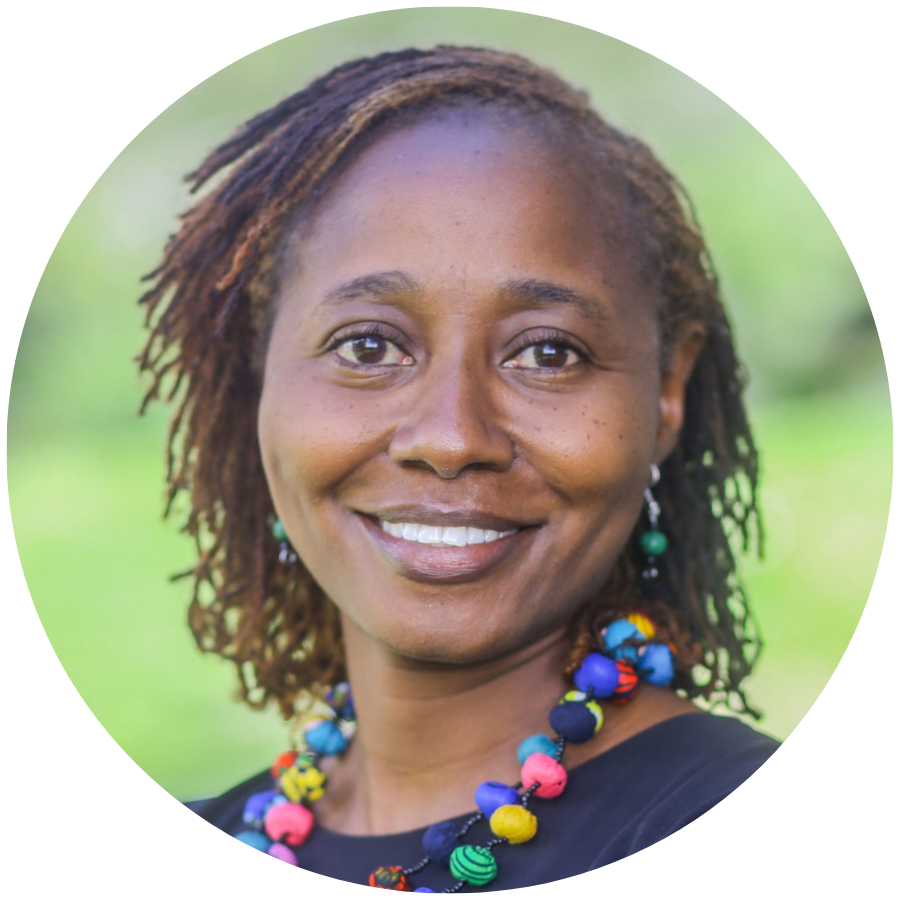
In Kenya, Rise Up Leader Agnes Nzisa is working toward another essential condition for girls to thrive: schools free from gender-based violence.
Despite existing protections against gender-based violence, schools in Kenya have not always had consistent systems to identify violence, report it safely, or ensure teachers and administrators know how to respond.
Agnes helped change that.
Her work contributed to the development and adoption of Nairobi County’s School-Related Gender-Based Violence Policy, strengthening how schools prevent, report, and respond to violence. Developed alongside education officials and civil society partners, the initiative has already reached more than 1.29 million learners and teachers.
The result is more than a new policy. It is stronger protection for girls’ right to enter a classroom, learn, and pursue their futures without violence standing in their way.
A future where girls are heard
Girls also deserve more than policies created for them. They deserve the opportunity to help shape them.
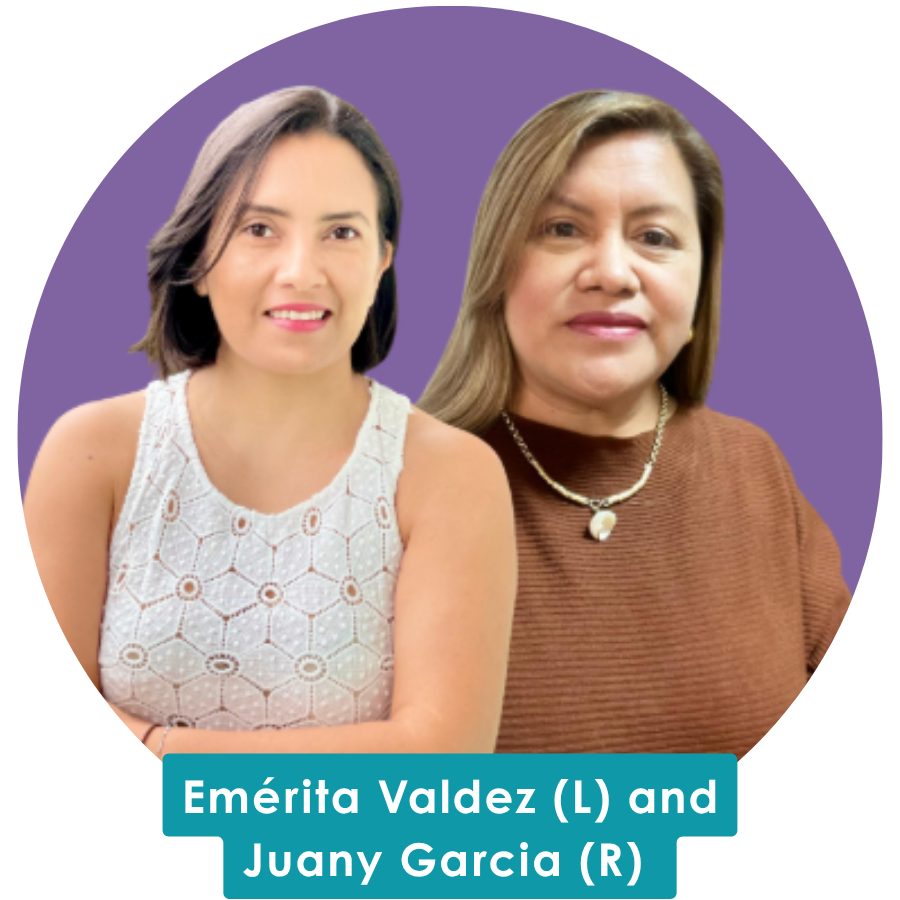
Longtime Rise Up Leaders Juany Garcia in Guatemala and Emérita Valdez in Honduras have spent years creating opportunities for girls and young people to do exactly that.
In 2025 alone, their work helped secure new municipal policies protecting the rights, health, education, and well-being of more than 158,000 children, adolescents, and young people across Guatemala and Honduras. Girls and young people participated in these efforts, bringing their own experiences and priorities into conversations with decision-makers.
Emérita has seen what changes when girls recognize that their voices belong in those spaces. Through participation, girls begin to see themselves as rights holders – able to speak about their own realities, understand their rights, and help shape the decisions affecting their lives.
Juany sees that leadership continuing to grow.
“Even amid global challenges, children and young people are already deeply engaged in social movements,” she shared. “Their voices are strong, and it will be difficult to silence them or leave them out of decisions that affect their lives.”
Ending child marriage is possible. Over the past 25 years, an estimated 68 million child marriages have been averted through progress in areas including girls’ education, legal reform, and social protection (UNICEF).
But millions of girls are still waiting for the same freedom.
The stories of Ajay, Agnes, Juany, Emérita, and Rise Up Leaders around the world remind us that protecting girls’ rights requires changing the systems that shape their choices and opportunities.
A future where girls are safe. A future where girls can learn. A future where girls are heard. A future where girls have the power to shape what comes next.
This International Day of the Girl, we stand with girls everywhere working toward that future.
The future shouldn’t be chosen for girls. It should be theirs to choose.

